Industrial systems rely heavily on precision sealing components to maintain pressure, prevent leakage, and ensure uninterrupted performance. In hydraulic and pneumatic applications, even a small sealing issue can lead to equipment damage, fluid loss, increased maintenance costs, and unexpected downtime. This is why choosing reliable sealing solutions is essential for industries operating under demanding conditions.
Among the most trusted sealing components used across multiple sectors, Dowty Seals are known for their strong sealing capability and durability. These seals are designed to provide leak-proof performance in high-pressure systems, making them an important part of hydraulic fittings, machinery, and industrial equipment. However, seal failures can still occur if the product is exposed to improper handling, harsh operating conditions, or poor maintenance practices.
As a trusted Dowty Seals manufacturer, Puja Seals focuses on delivering high-quality sealing solutions designed for reliability, durability, and long-term industrial performance.
Understanding Dowty Seals
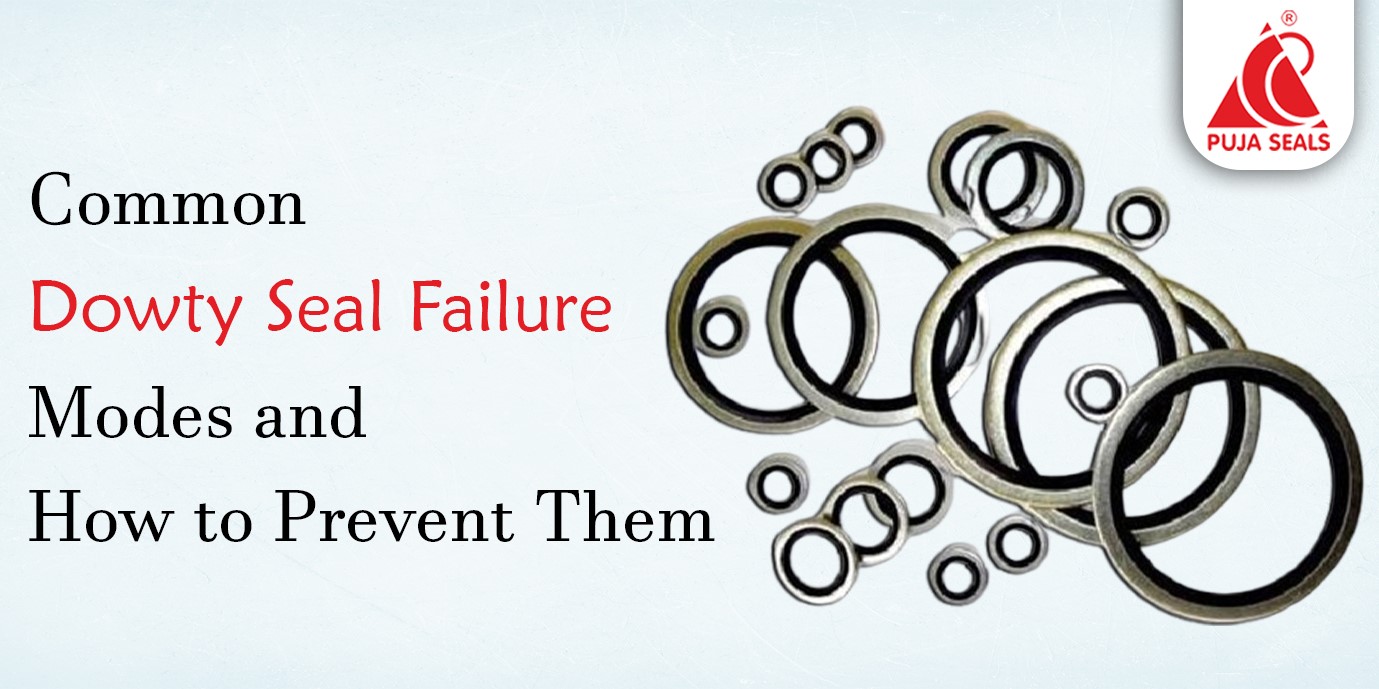
Dowty seals are bonded sealing washers made by combining a metal ring with an elastomer sealing material. This combination creates a strong and effective seal capable of handling high pressure and vibration.
These seals are widely used in:
- Hydraulic systems
- Oil and gas equipment
- Automotive applications
- Fluid power systems
- Industrial machinery
Their compact design and dependable sealing performance make them suitable for critical industrial operations.
Why Seal Failures Happen
Although these seals are built for durability, operating conditions and installation errors can affect their performance.
Common Reasons for Failure
- Incorrect installation
- Excessive pressure
- Poor material compatibility
- Surface contamination
- Temperature fluctuations
- Mechanical stress
Understanding these issues helps industries improve equipment reliability and reduce maintenance costs.
1. Incorrect Installation Practices
Improper installation is one of the leading causes of seal failure in industrial systems.
Common Installation Errors- Over-Tightening
Applying excessive torque may deform the sealing material and reduce effectiveness. - Misalignment
Incorrect positioning can create uneven pressure distribution and leakage. - Damaged Surfaces
Installing seals on scratched or rough surfaces affects sealing performance.
- Follow recommended torque guidelines
- Ensure proper alignment during installation
- Inspect surfaces before fitting seals
Correct installation procedures significantly increase seal lifespan.
2. Material Deterioration Over Time
Sealing materials naturally experience wear when exposed to demanding environments.
Causes of Material Damage- High operating temperatures
- Chemical exposure
- Aging and oxidation
- Continuous pressure stress
Over time, the elastomer component may harden, crack, or lose flexibility.
How to Prevent Material Failure- Choose materials suitable for operating conditions
- Avoid incompatible chemicals and fluids
- Store seals in clean and dry conditions
Using the correct sealing material improves durability and operational safety.
3. Excessive Pressure Conditions
Hydraulic and pneumatic systems often operate under extreme pressure.
Effects of High Pressure on Seals- Seal deformation
- Leakage formation
- Damage to sealing edges
- Reduced flexibility
Operating beyond pressure limits can shorten seal life significantly.
Prevention Methods- Monitor system pressure regularly
- Use seals rated for high-pressure applications
- Prevent sudden pressure spikes
Maintaining stable operating conditions improves sealing efficiency.
4. Contamination and Surface Damage
Contamination is another major factor affecting seal performance.
Common Sources of Contamination- Dust particles
- Metal debris
- Oil contamination
- Corrosion on sealing surfaces
Even small particles can create gaps and leakage paths.
How to Avoid Contamination Problems- Clean surfaces before installation
- Protect seals during storage and transportation
- Perform regular equipment inspections
Clean operating conditions improve seal reliability and performance.
5. Temperature-Related Failures
Temperature changes can affect sealing material properties.
High Temperature Issues- Hardening of elastomer material
- Reduced elasticity
- Cracking and brittleness
- Stiffening of material
- Shrinkage of seals
- Loss of sealing flexibility
Extreme temperatures may lead to leakage and pressure loss.
Prevention Tips- Select temperature-resistant materials
- Match seals with operating environment requirements
- Avoid prolonged exposure to extreme heat or cold
Proper material selection helps maintain sealing stability.
6. Vibration and Mechanical Stress
Industrial machinery often operates under constant movement and vibration.
Effects on Seals- Loosening of fittings
- Surface wear
- Seal displacement
- Premature failure
Continuous mechanical stress weakens sealing performance over time.
Prevention Techniques- Ensure secure installation
- Use vibration-resistant sealing systems
- Inspect moving equipment regularly
Reducing mechanical stress extends equipment lifespan.
Importance of Bonded Seals in Industrial Systems
bonded seals are widely used in high-pressure applications because they provide strong and reliable sealing performance.
Key Benefits- Leak-proof sealing capability
- Excellent pressure resistance
- Long operational life
- Improved system efficiency
These seals help maintain safe and efficient fluid transfer systems.
Choosing the Right Seal Material
Material compatibility plays a major role in seal performance.
Common Seal Materials- Nitrile Rubber
Suitable for oil-based applications. - Viton
Offers excellent chemical and heat resistance. - Silicone
Performs well in extreme temperature conditions. - EPDM
Ideal for water and weather-related environments.
Choosing the right material improves sealing efficiency and durability.
Industries That Depend on Dowty Seals
These seals are essential in several industrial sectors.
- Hydraulic Equipment
Used in pumps, valves, and pressure systems. - Automotive Industry
Supports braking systems and fluid transfer systems. - Manufacturing Sector
Helps maintain industrial machinery efficiency. - Agricultural Machinery
Used in tractors and hydraulic equipment. - Oil and Gas Industry
Handles demanding high-pressure applications.
Reliable sealing solutions are essential for safe and uninterrupted operations in these industries.
Tips to Extend Seal Life
- Perform Routine Inspections
Regular monitoring helps identify wear before failure occurs. - Follow Correct Installation Procedures
Proper fitting improves sealing performance. - Use High-Quality Components
Durable materials improve reliability and reduce downtime. - Maintain Clean Operating Conditions
Prevent contamination from affecting seal surfaces. - Replace Damaged Seals Promptly
Timely replacement prevents larger equipment failures.
Preventive maintenance helps improve overall operational efficiency.
Why Choose Puja Seals
Puja Seals specializes in delivering durable industrial sealing products designed for high-performance applications.
Key Advantages- High-quality manufacturing standards
- Reliable industrial sealing solutions
- Advanced production processes
- Customized product support
- Industry-focused expertise
The company focuses on providing dependable sealing products for various industrial sectors.
Future Trends in Industrial Sealing Solutions
Sealing technology continues to evolve with modern industrial demands.
Emerging Developments
- Advanced Elastomer Materials
Improved resistance to heat, chemicals, and pressure. - Precision Manufacturing
Enhanced production techniques improve sealing consistency. - Sustainable Production Practices
Manufacturers are adopting eco-friendly processes. - Smart Maintenance Systems
Predictive maintenance helps detect seal wear early.
These innovations continue to improve industrial sealing reliability.
Conclusion
Seal failures can lead to leakage, equipment damage, operational downtime, and increased maintenance costs. Understanding the common failure modes of Dowty seals helps industries prevent these issues and improve equipment performance.
From proper installation to selecting the right material and maintaining clean operating conditions, preventive measures play a major role in extending seal life. By partnering with an experienced Dowty Seals manufacturer like Puja Seals, industries can access reliable sealing solutions designed for demanding applications and long-term performance.
Frequently Asked Questions (FAQs)
They are used to prevent leakage in hydraulic and high-pressure systems.
Improper installation, excessive pressure, and contamination are common causes.
They provide reliable leak-proof sealing in high-pressure environments.
Proper installation, maintenance, and correct material selection help extend seal life.
Hydraulic, automotive, oil and gas, manufacturing, and agricultural industries commonly use them.