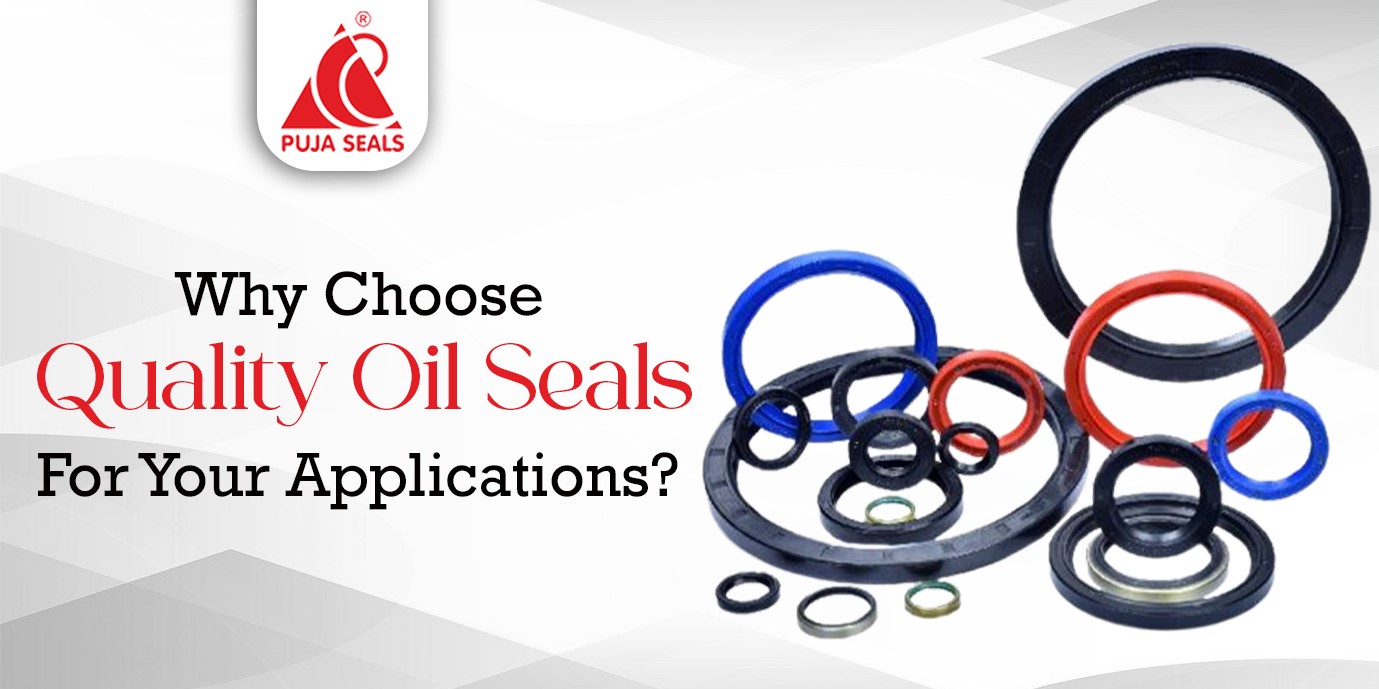
Small components often carry the biggest responsibility in machinery performance. Oil seals are one such critical element that ensures smooth operation by preventing leakage and protecting internal components. Choosing the right quality oil seals Manufacturer is not just a technical decision—it directly impacts efficiency, durability, and maintenance costs.
Puja Seals specializes in delivering high-performance sealing solutions designed to meet diverse industrial requirements. Investing in quality oil seals can significantly improve equipment reliability and long-term productivity.
What Are Oil Seals?
Oil seals, also known as Rotary Shaft Seals, are mechanical components used to seal rotating or moving parts. They prevent lubricants from leaking out while keeping contaminants like dust, dirt, and moisture from entering the system.
Key Functions of Oil Seals
- Retain lubricants within machinery
- Prevent contamination from external elements
- Maintain pressure within systems
- Protect moving components
- Extend equipment lifespan
These functions make oil seals essential in various industrial and automotive applications.
Why Quality Oil Seals Matter
Choosing high-quality oil seals plays a vital role in ensuring system performance and durability.
1. Prevent Leakage Effectively
Low-quality seals often fail under pressure, leading to oil leakage and system inefficiency.
Benefits of Quality Seals- Tight sealing performance
- Reduced fluid loss
- Improved system efficiency
2. Protect Against Contamination
Dust, dirt, and moisture can damage internal components if they enter the system.
How Quality Seals Help- Block external contaminants
- Maintain clean internal environment
- Reduce wear and tear
3. Enhance Equipment Lifespan
Durable seals protect machinery components, reducing damage and extending lifespan.
Long-Term Impact- Fewer breakdowns
- Reduced repair costs
- Consistent performance
4. Reduce Maintenance Costs
Frequent seal failures can lead to costly repairs and downtime.
Cost Benefits- Less frequent replacements
- Lower maintenance expenses
- Increased operational efficiency
5. Withstand Harsh Conditions
High-quality oil seals are designed to perform in extreme conditions.
Resistant To- High temperatures
- Pressure variations
- Chemical exposure
- Abrasion
This ensures reliability across different applications.
Types of Oil Seals
Understanding different types of oil seals helps in selecting the right one.
-
1. Single Lip Oil Seals: Used for basic sealing applications with moderate pressure.
2. Double Lip Oil Seals: Provide additional protection against contamination.
3. Metal Case Oil Seals: Offer strength and durability for heavy-duty applications.
4. Rubber Covered Oil Seals: Provide better sealing and flexibility.
Applications of Oil Seals
Oil seals are widely used across multiple industries.
- Automotive Industry: Used in engines, gearboxes, and axles.
- Industrial Machinery: Used in rotating equipment and mechanical systems.
- Hydraulic Systems: Used to maintain pressure and prevent fluid leakage.
- Agricultural Equipment: Used in tractors and farming machinery.
- Manufacturing Industry: Used in machines requiring lubrication and protection.
Key Factors to Consider When Choosing Oil Seals
Selecting the right oil seal requires careful evaluation.
1. Material Selection
Different materials offer different levels of performance.
Common Materials- Nitrile (NBR)
- Viton (FKM)
- Silicone
- EPDM
Choose based on temperature, chemical exposure, and application needs.
2. Size and Compatibility
Ensure the seal fits perfectly with the shaft and housing.
Important Measurements- Inner diameter
- Outer diameter
- Width
Proper fit ensures effective sealing.
3. Operating Conditions
Consider environmental factors before selecting a seal.
Factors Include- Temperature range
- Pressure levels
- Speed of rotation
- Exposure to chemicals
4. Quality Standards
Choose seals manufactured with strict quality control.
Look For- Industry certifications
- Precision manufacturing
- Consistent quality
Common Problems Caused by Low-Quality Oil Seals
Using poor-quality oil seals can lead to several issues.
- Leakage: Results in loss of lubrication and reduced efficiency.
- Contamination: Allows dirt and debris to enter the system.
- Frequent Failures: Leads to increased downtime and maintenance.
- Equipment Damage: Causes wear and tear on internal components.
Avoiding these problems starts with choosing the right quality product.
Why Choose Puja Seals
Puja Seals is a trusted name in the sealing industry, offering reliable and high-performance oil seals.
Key Advantages- Premium quality materials
- Advanced manufacturing processes
- Wide product range
- Custom solutions
- Strict quality control
The company focuses on delivering durable and efficient sealing solutions for various industries.
Future Trends in Oil Seal Manufacturing
The sealing industry continues to evolve with new advancements.
- Advanced Materials: Improved materials offer better durability and resistance.
- Precision Engineering: Modern techniques ensure accurate and consistent products.
- Eco-Friendly Solutions: Sustainable materials are gaining importance.
- Custom Engineering: Tailored solutions for specific applications are increasing.
Conclusion
Oil seals play a crucial role in maintaining the efficiency and reliability of machinery. Choosing high-quality oil seals Manufacturers ensures better performance, reduced maintenance, and longer equipment lifespan.
By selecting trusted manufacturers like Puja Seals, businesses can ensure reliable sealing solutions tailored to their needs. Investing in quality components is essential for achieving long-term operational success.
Frequently Asked Questions (FAQs)
Oil seals prevent leakage and protect machinery from contamination.
Consider material, size, and operating conditions.
Most oil seals are not reusable once removed.
Common materials include NBR, Viton, silicone, and EPDM.
High-quality seals ensure durability, performance, and reduced maintenance costs.