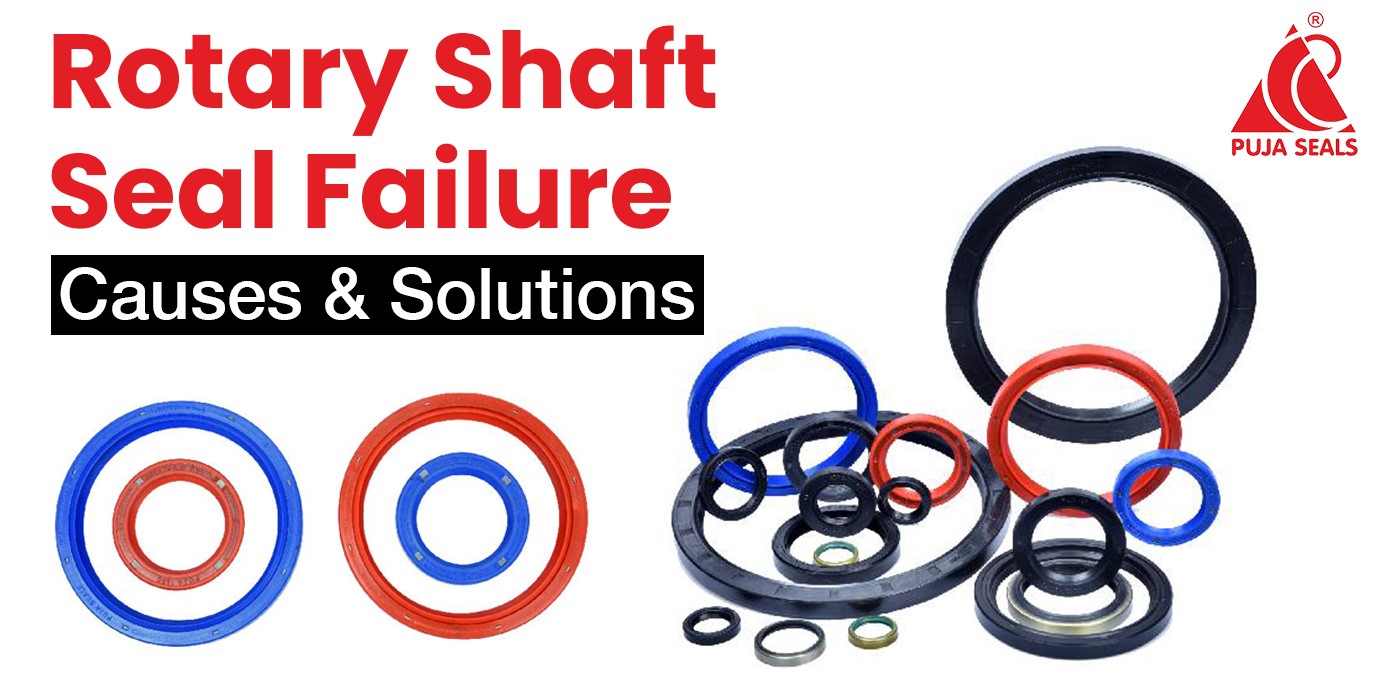
Industrial machinery relies on efficient sealing systems to maintain performance, prevent leakage, and extend equipment life. Among the most critical components in rotating equipment is the Rotary Shaft Seal, which helps keep lubricants inside while preventing contaminants from entering the system. However, like any mechanical component, seals can fail over time due to various operational and environmental factors.
Understanding the common causes of seal failure and implementing the right solutions can significantly improve equipment reliability, reduce downtime, and lower maintenance costs.
What Is a Rotary Shaft Seal?
A Rotary Shaft Seal is a mechanical sealing device designed to close the gap between rotating and stationary components. It prevents lubricant leakage and blocks the entry of dirt, dust, moisture, and other contaminants.
These seals are widely used in pumps, gearboxes, motors, compressors, automotive systems, agricultural equipment, and industrial machinery where rotating shafts are involved.
Why Seal Failure Matters
Seal failure may appear to be a minor issue initially, but it can quickly lead to:
- Lubricant loss
- Increased friction and wear
- Equipment overheating
- Contamination of internal components
- Reduced operational efficiency
- Unexpected machine breakdowns
Identifying the root cause of seal failure early helps prevent expensive repairs and production interruptions.
Common Causes of Rotary Shaft Seal Failure
1. Improper Installation
One of the leading causes of seal failure is incorrect installation. Even a high-quality seal can fail prematurely if it is not installed properly.
Common installation mistakes include:
- Damaging the sealing lip during fitting
- Misalignment of the seal
- Using improper installation tools
- Applying uneven pressure during assembly
Always follow manufacturer installation guidelines and use specialized installation tools to avoid damaging the sealing surface.
2. Excessive Shaft Wear
Over time, rotating shafts can develop grooves, scratches, or uneven surfaces. A damaged shaft prevents the seal from maintaining proper contact, leading to leakage.
SolutionRegularly inspect shaft surfaces and repair or replace worn shafts when necessary. Shaft sleeves can also be used to restore sealing performance.
3. Contamination and Dirt Ingress
Dust, debris, chemicals, and moisture can accumulate around the sealing area. These contaminants can damage the sealing lip and accelerate wear.
SolutionMaintain a clean operating environment and use protective covers where required. Regular cleaning and inspection can help prevent contamination-related failures.
4. Inadequate Lubrication
Lubrication plays a crucial role in reducing friction between the seal and shaft. Insufficient lubrication generates excessive heat, causing seal hardening, cracking, and premature wear.
SolutionEnsure proper lubrication levels are maintained and use lubricants that are compatible with seal materials and operating conditions.
5. High Operating Temperatures
Extreme temperatures can affect seal material properties. Continuous exposure to excessive heat may cause hardening, shrinkage, or loss of elasticity.
SolutionSelect seal materials specifically designed for high-temperature environments and monitor equipment temperature regularly.
6. Excessive Pressure
Seals are designed to operate within specific pressure ranges. Operating beyond these limits can deform the sealing lip and cause leakage.
SolutionVerify operating pressure requirements and choose seals rated for the intended application.
The Role of Oil Seals in Preventing Leakage
Modern industrial systems often utilize Oil Seals to retain lubricants and protect critical machine components. These seals create an effective barrier that minimizes oil leakage while preventing contaminants from entering the system.
When properly selected and maintained, Oil Seals contribute significantly to equipment longevity, operational efficiency, and reduced maintenance costs.
Signs That a Seal Is FailingRecognizing early warning signs can help avoid costly downtime.
Watch for:- Visible oil leakage
- Increased vibration
- Unusual operating noise
- Rising equipment temperatures
- Frequent lubricant replenishment
- Contaminated lubrication systems
Prompt action after identifying these symptoms can prevent more severe mechanical damage.
Best Practices to Extend Seal Life
- Regular Maintenance: Routine inspections help identify wear before major failures occur.
- Choose the Right Material: Different applications require different sealing materials. Consider factors such as temperature, chemical exposure, pressure, and shaft speed.
- Maintain Proper Alignment: Misaligned shafts create uneven seal wear and increase failure risks.
- Monitor Operating Conditions: Track pressure, temperature, and rotational speed to ensure equipment remains within design limits.
- Replace Worn Components: Timely replacement of damaged shafts, bearings, and seals improves overall equipment reliability.
Conclusion
Seal failures can significantly impact industrial productivity, but most issues can be prevented through proper installation, routine maintenance, and careful monitoring of operating conditions. Understanding the common causes of failure allows businesses to take proactive measures that reduce downtime and improve machinery performance.
By selecting high-quality sealing solutions and following best maintenance practices, industries can achieve longer equipment life, improved efficiency, and lower operating costs. At Puja Seals, we provide reliable sealing products designed to meet the demanding requirements of modern industrial applications, helping businesses maintain smooth and efficient operations.
Frequently Asked Questions (FAQs)
Improper installation, contamination, high temperatures, and poor lubrication are the most common causes of seal failure.
Signs include oil leakage, unusual noise, increased vibration, and overheating of machinery.
Replacement depends on operating conditions, but regular inspections help determine the right time for replacement.
Oil seals prevent lubricant leakage and protect equipment from dust, dirt, and moisture.