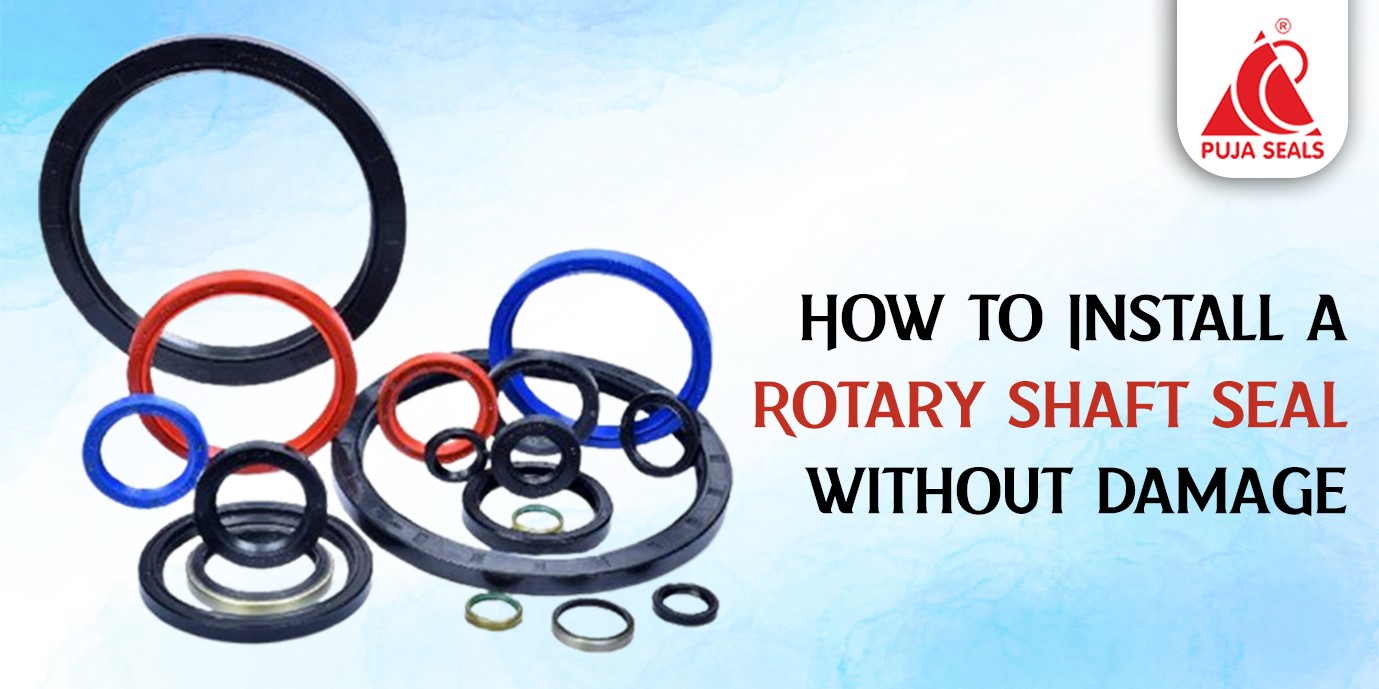
A seal may be small, but it plays a major role in protecting rotating machinery from oil leakage, dust, moisture, and contamination. A poor installation can damage the sealing lip, distort the seal, or create leakage even when the product itself is high quality.
That is why proper installation matters. A Rotary Shaft Seals must be fitted carefully using the correct tools and technique to ensure reliable performance and longer service life. At Puja Seals, we focus on providing dependable sealing solutions for demanding industrial applications.
What Is a Rotary Shaft Seal?
A rotary shaft seal is designed to prevent lubricants from escaping around a rotating shaft while keeping contaminants outside the equipment.
These seals are commonly used in:
- Motors
- Gearboxes
- Pumps
- Industrial machinery
- Automotive systems
- Hydraulic equipment
- Agricultural machinery
Because the sealing lip operates directly against a rotating surface, correct installation is essential.
Why Can Seals Get Damaged During Installation?
Many premature seal failures happen before the machine even starts operating.
Common installation mistakes include:
- Using excessive force
- Installing the seal at an angle
- Scratching the sealing lip
- Fitting the seal over sharp edges
- Using incorrect tools
- Installing a damaged or contaminated seal
- Forgetting to lubricate the sealing lip when required
Avoiding these mistakes can significantly improve sealing performance.
Step-by-Step Installation Guide
1. Inspect the Seal Before Installation
Before installation, check the seal carefully for cuts, cracks, deformation, or other visible damage.
Make sure the dimensions and material are suitable for the application.
Never install a seal that appears damaged.
2. Clean the Shaft and Housing
Remove dirt, old lubricant, rust, and debris from the shaft and housing.
The surfaces should be clean and free from sharp particles that could damage the sealing lip.
3. Check the Shaft Surface
Inspect the shaft for scratches, grooves, corrosion, or excessive wear.
A damaged shaft surface can quickly wear the sealing lip and cause leakage.
If necessary, repair or replace the affected component before installing the new seal.
4. Protect the Sealing Lip
The sealing lip is one of the most sensitive parts of the product.
If the seal must pass over a keyway, thread, groove, or sharp edge, use a suitable protective sleeve or covering.
This prevents the lip from being cut or stretched during installation.
5. Lubricate When Required
Depending on the seal design and application, the sealing lip may require a suitable lubricant before installation.
Lubrication can reduce initial friction and help prevent damage during startup.
Always follow the product and equipment manufacturer's recommendations regarding lubricant compatibility.
6. Use the Correct Installation Tool
Do not hammer directly on the seal.
Use an appropriate installation tool that applies even pressure around the seal.
This helps prevent:
- Deformation
- Uneven seating
- Lip damage
- Housing damage
The seal should be installed evenly and positioned at the correct depth.
7. Check the Final Position
After installation, inspect the seal to make sure it is properly seated and aligned.
An uneven or tilted seal can create excessive friction and leakage.
Before starting the equipment, confirm that the shaft rotates freely and that there are no obvious installation issues.
How to Avoid Damage After Installation
Proper installation is only the first step. Operating conditions also influence seal life.
Follow These Practices
- Maintain proper lubrication
- Avoid excessive shaft speed
- Keep contaminants away from the sealing area
- Monitor operating temperature
- Inspect for leakage regularly
- Replace worn components promptly
These simple measures can help improve reliability and reduce unexpected downtime.
Choosing Quality Sealing Products
Installation technique cannot compensate for an unsuitable or poor-quality seal. Selecting the right material, dimensions, sealing design, and temperature or pressure rating is equally important.
Experienced Rotary shaft seal manufacturers can help identify suitable products according to shaft speed, operating temperature, lubricant type, and application requirements.
At Puja Seals, we provide industrial sealing solutions designed for different equipment and operating conditions.
Why Choose Puja Seals?
At Puja Seals, we understand that reliable sealing is essential for efficient industrial equipment.
Our Strengths
- Quality sealing products
- Precision manufacturing
- Application-specific solutions
- Consistent product quality
- Technical support
- Industrial sealing expertise
Our focus is on helping customers select dependable sealing solutions that support long-term equipment performance.
Conclusion
Installing a Rotary Shaft Seal correctly can make a significant difference to its service life and performance. Cleaning the components, protecting the sealing lip, using suitable lubrication, and applying even installation pressure can help prevent common installation-related failures.
For consistent results, businesses should also work with reliable Rotary shaft seal manufacturers and select products according to their specific application requirements.
With the right product, proper installation, and regular maintenance, rotary shaft sealing systems can provide dependable protection against leakage and contamination.
Frequently Asked Questions (FAQs)
Direct hammering is not recommended. Use a suitable installation tool or driver that applies even pressure without damaging the seal.
It depends on the seal material and application. Follow the manufacturer's recommendations regarding lubricant type and application.
Possible causes include incorrect installation, damaged sealing lips, shaft wear, improper dimensions, contamination, or unsuitable operating conditions.
Clean the shaft, remove sharp edges, use a protective sleeve where necessary, and avoid stretching or twisting the lip during installation.
Replacement is generally recommended when leakage, visible wear, cracking, hardening, or damage is detected, or when the equipment reaches its planned maintenance interval.