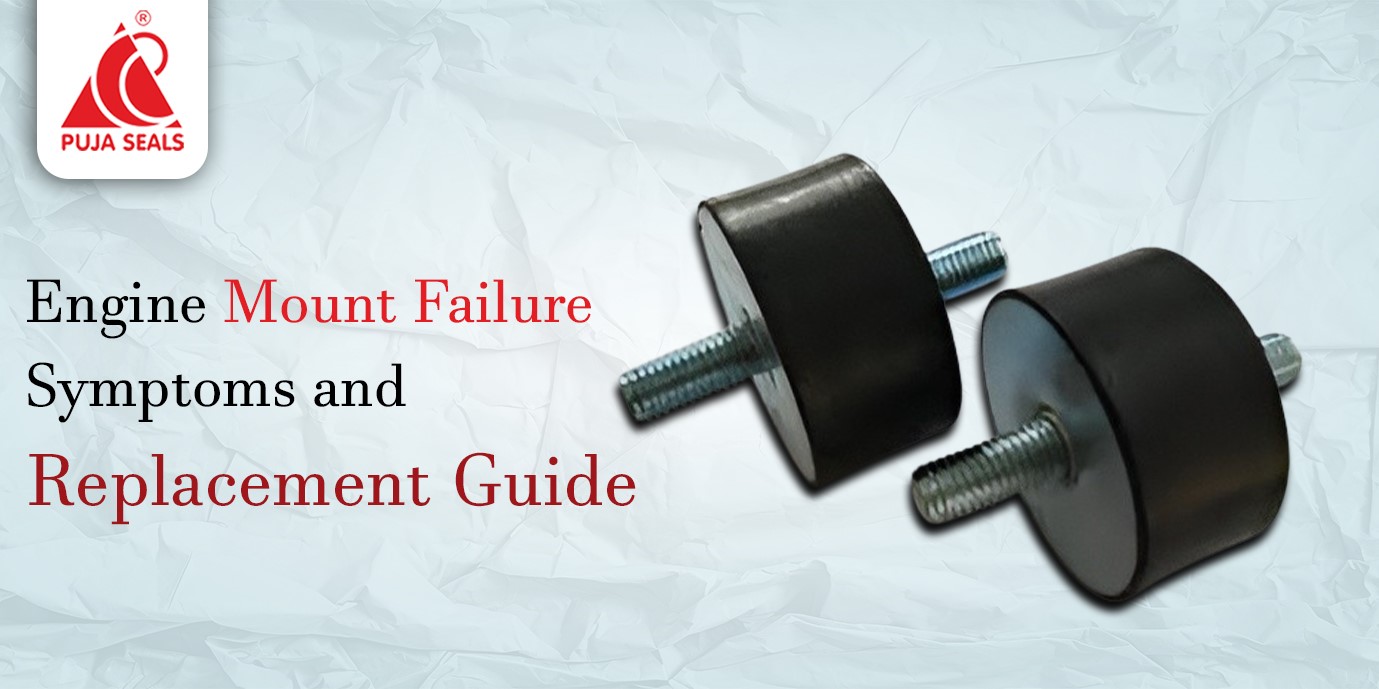
The smooth performance of any vehicle depends on several critical components working together efficiently. One such often-overlooked component is the Engine Mounts. While small in size, engine mounts play a vital role in supporting the engine, reducing vibrations, and ensuring a comfortable driving experience.
Over time, engine mounts can wear out due to constant stress, heat, and road conditions. Ignoring the warning signs of a failing mount can lead to excessive vibrations, engine misalignment, and costly repairs. Understanding the symptoms of engine mount failure and knowing when replacement is necessary can help vehicle owners maintain performance and safety. Puja Seals manufactures high-quality rubber and vibration-control solutions designed to meet demanding automotive and industrial requirements.
What Is an Engine Mount?
An engine mount is a component that secures the engine to the vehicle's chassis while absorbing vibrations generated during operation. Most engine mounts are made using a combination of metal and rubber to provide strength and flexibility.
Their primary functions include:
- Supporting engine weight
- Reducing vibrations
- Preventing excessive engine movement
- Protecting surrounding vehicle components
- Improving driving comfort
Without properly functioning engine mounts, even a well-maintained vehicle can experience performance issues.
Why Engine Mounts Fail
Engine mounts are subjected to constant pressure, heat, and vibration.
Common Causes of Failure- Age and Wear: Rubber components naturally deteriorate over time.
- Excessive Vibration Continuous engine vibration gradually weakens the mount structure.
- Oil and Fluid Contamination: Leaking fluids can damage rubber elements and reduce durability.
- Rough Driving Conditions: Frequent driving on uneven roads increases stress on mounting systems.
Regular inspections can help identify problems before they become severe.
Symptoms of a Failing Engine Mount
Recognizing the warning signs early can prevent more extensive vehicle damage.
1. Excessive Vibrations
One of the most noticeable symptoms is increased vibration inside the vehicle.
Common Signs- Vibrations felt through the steering wheel
- Shaking seats
- Increased cabin noise
Damaged mounts lose their ability to absorb engine movement effectively.
2. Unusual Engine Movement
A worn mount may allow the engine to shift more than normal.
What You May Notice- Engine movement during acceleration
- Jerking when changing gears
- Sudden engine shifts while braking
Excessive movement can place strain on connected components.
3. Clunking or Knocking Sounds
Damaged mounts may produce unusual noises when the engine moves.
Common Situations- Starting the vehicle
- Driving over bumps
- Accelerating quickly
These sounds often indicate that the mount is no longer securely supporting the engine.
4. Visible Damage
Physical inspection can sometimes reveal mount failure.
Look For- Cracked rubber
- Separation of rubber and metal
- Oil contamination
- Broken mounting brackets
Visible damage usually indicates the need for replacement.
5. Misalignment Issues
Faulty mounts can affect engine positioning.
Possible Effects- Difficulty shifting gears
- Increased wear on drivetrain components
- Reduced vehicle performance
Proper alignment is essential for efficient vehicle operation.
Importance of Timely Replacement
Delaying replacement can create additional mechanical problems.
Risks of Ignoring a Failed Mount- Increased vibration damage
- Engine misalignment
- Higher repair costs
- Reduced driving comfort
- Premature wear of nearby components
Replacing damaged mounts promptly helps maintain vehicle reliability.
Understanding Anti-Vibration Technology
Modern automotive systems rely heavily on vibration-control components such as anti vibration mounts to improve comfort and equipment protection.
These components help:
- Absorb operational vibrations
- Reduce noise levels
- Protect sensitive mechanical parts
- Improve system stability
High-quality vibration-control solutions contribute significantly to equipment longevity and performance.
Engine Mount Replacement Process
Replacing engine mounts should be performed by qualified technicians.
Typical Replacement Steps- Inspection: The technician identifies worn or damaged mounts.
- Engine Support: The engine is carefully supported during replacement.
- Removal of Old Mounts: Damaged components are removed safely.
- Installation of New Mounts: New mounts are installed and aligned correctly.
- Final Testing: The vehicle is checked for vibration and performance improvements.
Professional installation ensures optimal results.
Tips to Extend Engine Mount Life- Perform Regular Inspections: Routine checks help identify wear early.
- Fix Fluid Leaks Promptly: Prevent rubber deterioration caused by oil exposure.
- Drive Carefully: Avoid unnecessary impact from rough roads.
- Follow Vehicle Maintenance Schedules: Regular maintenance supports overall component longevity.
Preventive care helps maximize mount performance and lifespan.
Why Choose Puja Seals:
Puja Seals manufactures reliable sealing and vibration-control solutions designed for demanding industrial and automotive applications.
Our Advantages- Premium-grade materials
- Precision manufacturing
- Strict quality standards
- Durable rubber components
- Customized engineering solutions
Our commitment to quality helps customers achieve dependable long-term performance.
Conclusion
Engine mounts are essential components that support the engine, reduce vibration, and improve overall vehicle comfort. Recognizing symptoms such as excessive vibrations, unusual noises, and engine movement can help prevent more serious mechanical issues. Timely replacement not only protects the engine but also enhances driving performance and safety.
By choosing high-quality components from trusted manufacturers like Puja Seals, vehicle owners and industries can ensure reliable operation, reduced maintenance costs, and longer equipment life.
Frequently Asked Questions (FAQs)
It supports the engine and reduces vibration transmitted to the vehicle.
Their lifespan depends on driving conditions, vehicle usage, and maintenance practices.
A failed mount can cause excessive vibration, engine movement, and damage to nearby components.
While possible for a short time, it is not recommended because further damage may occur.